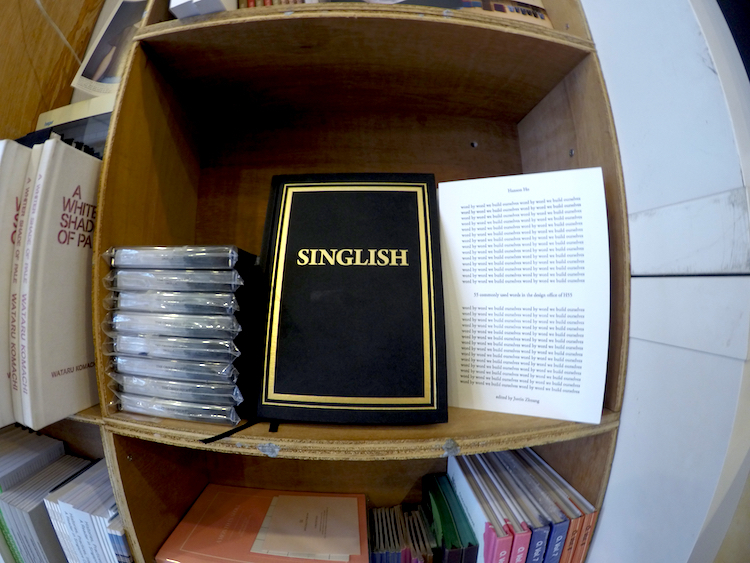

According to EF English Proficiency Index (EF EPI) 2022, Singaporeans are the most proficient in English in Asia. While it’s great to know that years of English education have paid off, there’s no denying that Singlish remains the local lingo.
The beauty of it is the fact that its melting pot of words originating from various languages such as English, Mandarin, Hokkien, Cantonese, Malay and Tamil, and it’s used universally in the country no matter one’s mother tongue – a true reflection of multiculturalism. The dictionary of slang words run a gamut, but here are some common words that will have you sounding like a true blue Singaporean.
RECOMMENDED: 7 things Singapore does better than anyone else and 9 things you’ve definitely said or done after living in Singapore for three months
1. Eh sai (eh-sah-i)

Meaning: Can, doable.
Example: You want me to finish all this by myself? Ok lah eh sai.
2. Kia si (kia-see)

Meaning: Afraid to die.
Example: You’re just having a mild flu. Don’t so kia si leh!
3. Steady
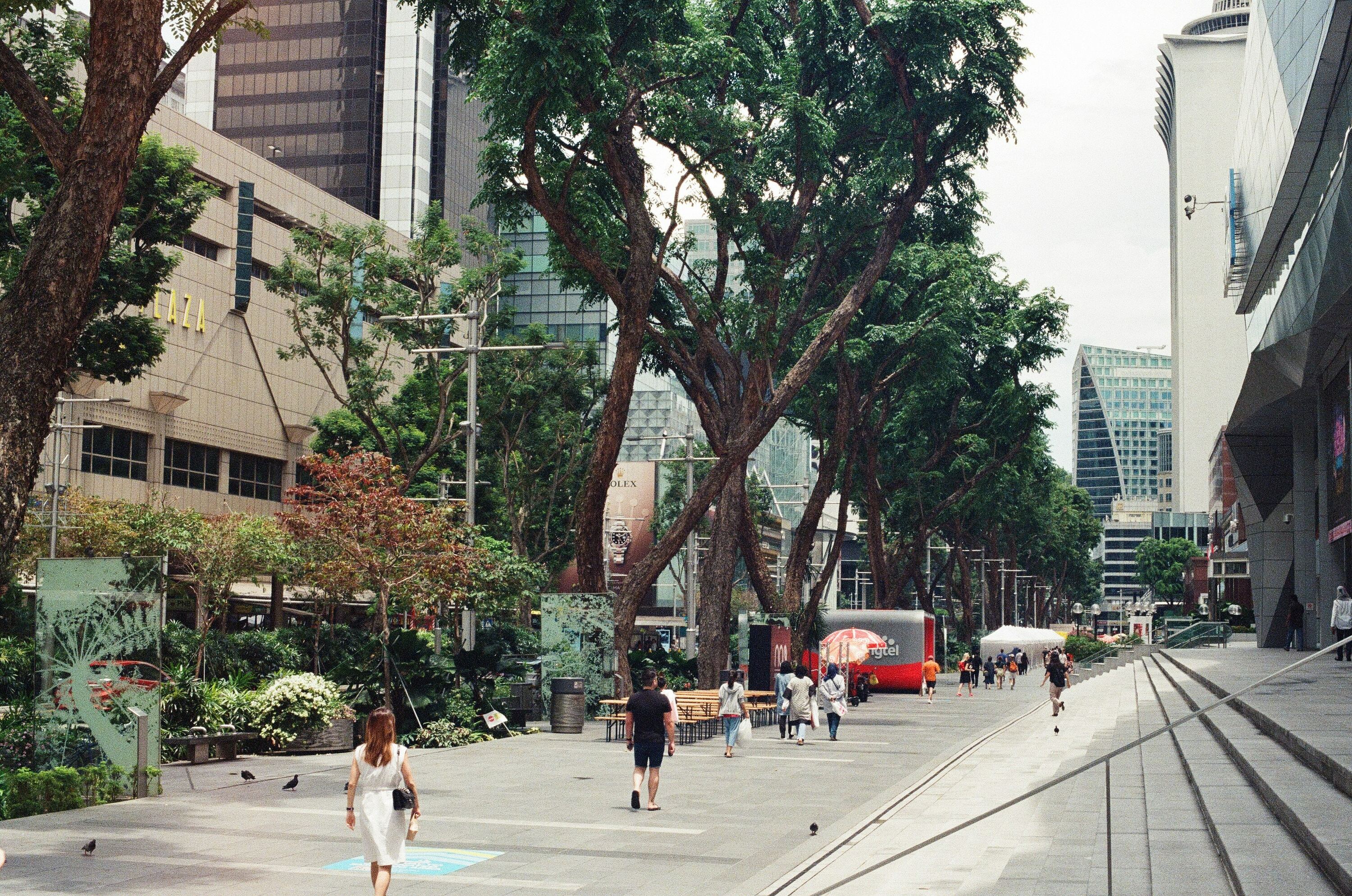
Meaning: For sure. Sounds good.
Example: Shall we meet tomorrow at Orchard at about 7pm? Ok steady.
4. Got

Meaning: A very shortcut way of saying, “yes”, “there is”, “I did”.
Example: Do you have an umbrella? Got. Did you do your homework? Got. Did you show up yesterday? Got.
5. Bo liao (boh-lee-ah-u)

Meaning: Feeling bored. Nothing better to do. Can be used as an insult too on someone who is doing something that is a total waste of time.
Example: I’ve got no plans today, staying at home is so bo liao. Why are you throwing rocks in the ocean at 12am? Bo liao!
6. Lepak (leh-park)

Meaning: To chill, relax, somewhere. To say someone is totally relaxed.
Example: Let’s go lepak at Junction 8! Eh, look at the cat just sleeping, damn lepak man!
7. Catch no ball

Meaning: Confused. Do not understand.
Example: What is Mr. Tan talking about? Totally catch no ball man.
8. Makan
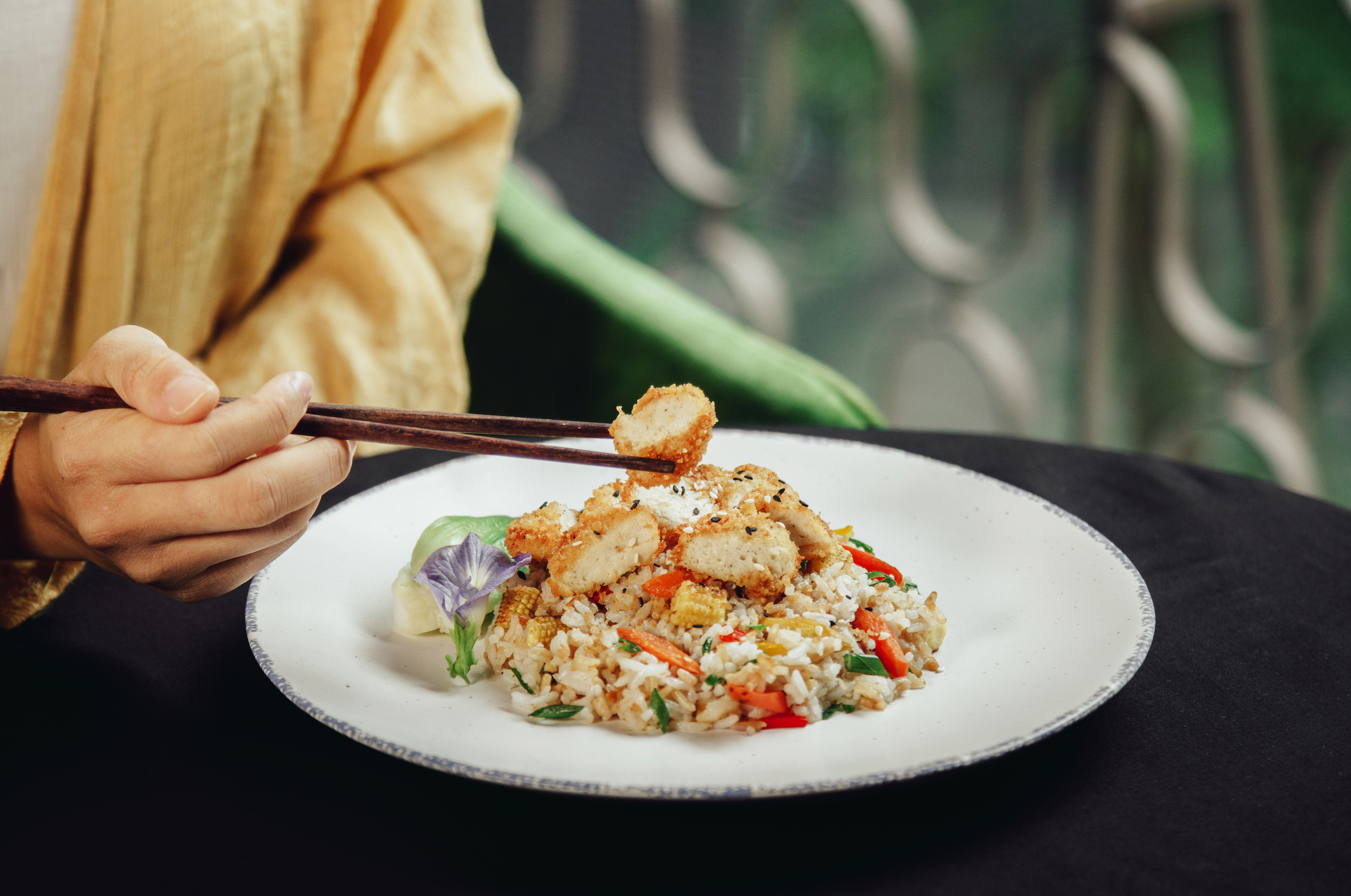
Meaning: To eat.
Example: You makan already?
9. Buay tahan (bu-eh-ta-han)

Meaning: I cannot take it anymore.
Example: The sun is about 35 degrees today, I really buay tahan already.
10. Stylo Milo
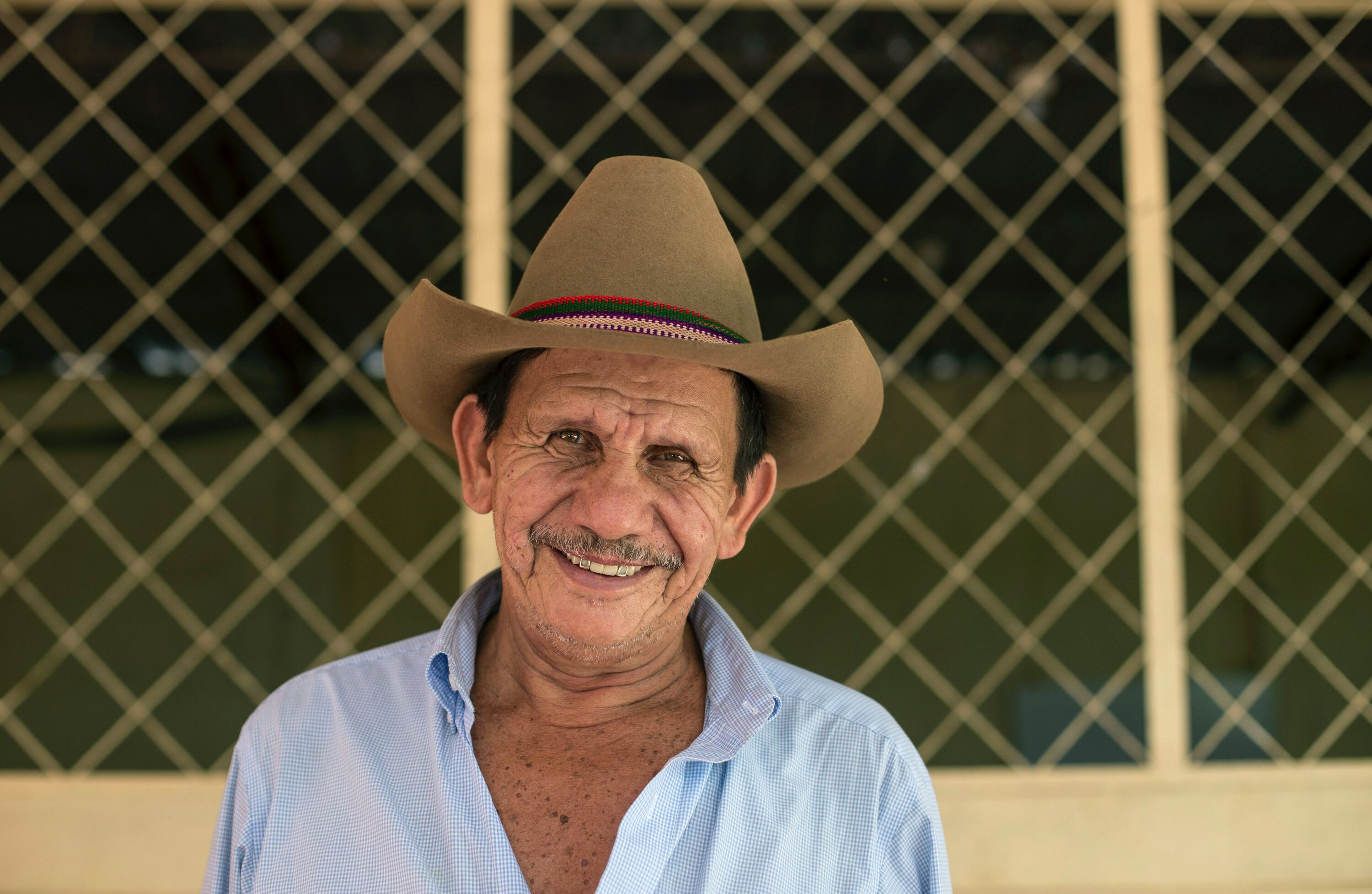
Meaning: To be cool, stylish.
Example: Look at that uncle in his cowboy hat, stylo milo!
11. Shag (shag)

Meaning: We know what you’re thinking, but it means to feel physically exhausted in Singlish.
Example: “My girlfriend made me carry all her shopping bags around Orchard Road, now I’m so shag.”
12. Bo chap (boh-chup)
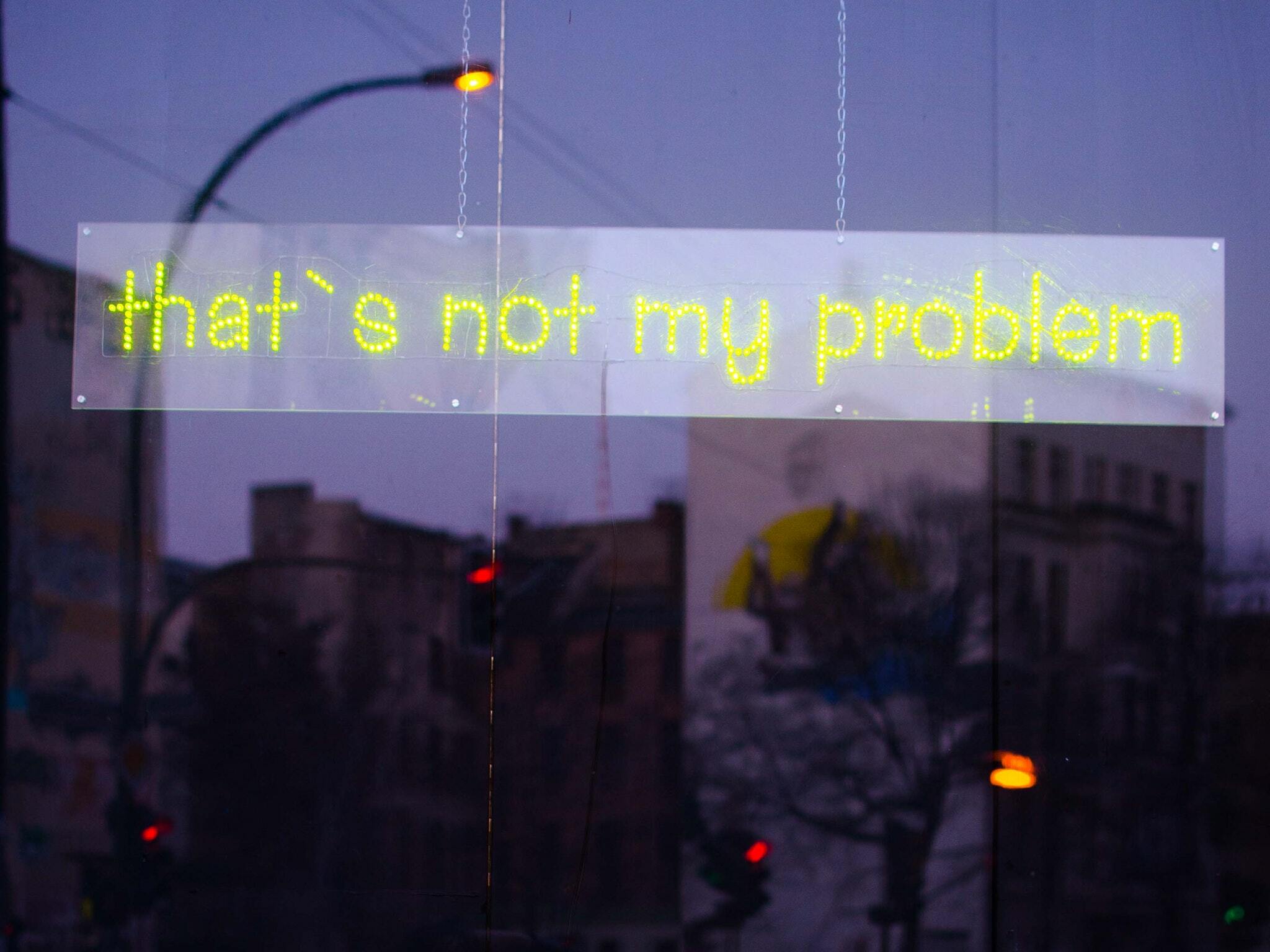
Meaning: Literally translates to “don’t care” from Hokkien, indicating someone who’s indifferent or doesn’t take the initiative.
Example: “It’s Friday, I bo chap already. Don’t ask me to do more work.”
13. Swee (suh-wee)

Meaning: Hokkien for “beautiful”. Can be used as a compliment or to indicate aggreement and approval.
Example: “Wah, your dance moves super swee!“
14. Paiseh (pie-say)

Meaning: A Hokkien way of saying something is embarrassing. Alternatively, it’s to express a sense of shame or that you are simply shy.
Example: “I’m paiseh to ask Chris Hemsworth for a selfie.”
15. Alamak (ah-lah-mak)
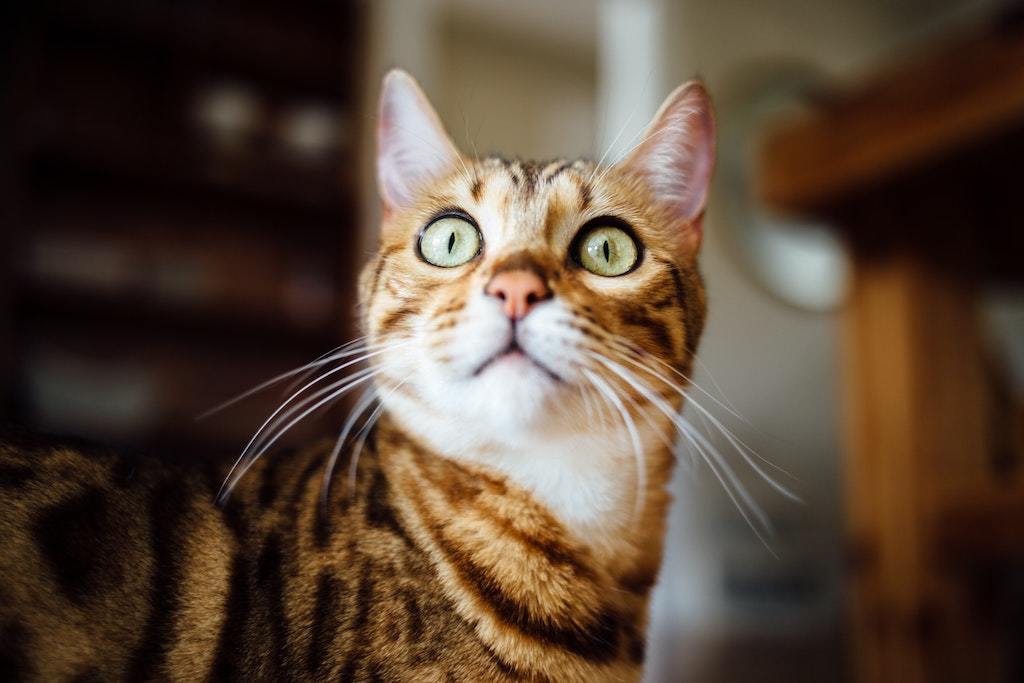
Meaning: An expression to display dismay, shock or alarm as one would with “Oh, no!”.
Example: “Alamak! I forgot to feed the cat!”
16. Atas (ah-tahs)

Meaning: Malay for “up”, but is usually used as an adjective to describe something as luxe, upper class or “high SES”.
Example: “He is too atas to be caught dead eating at a hawker centre.”
17. Siao (see-ow)
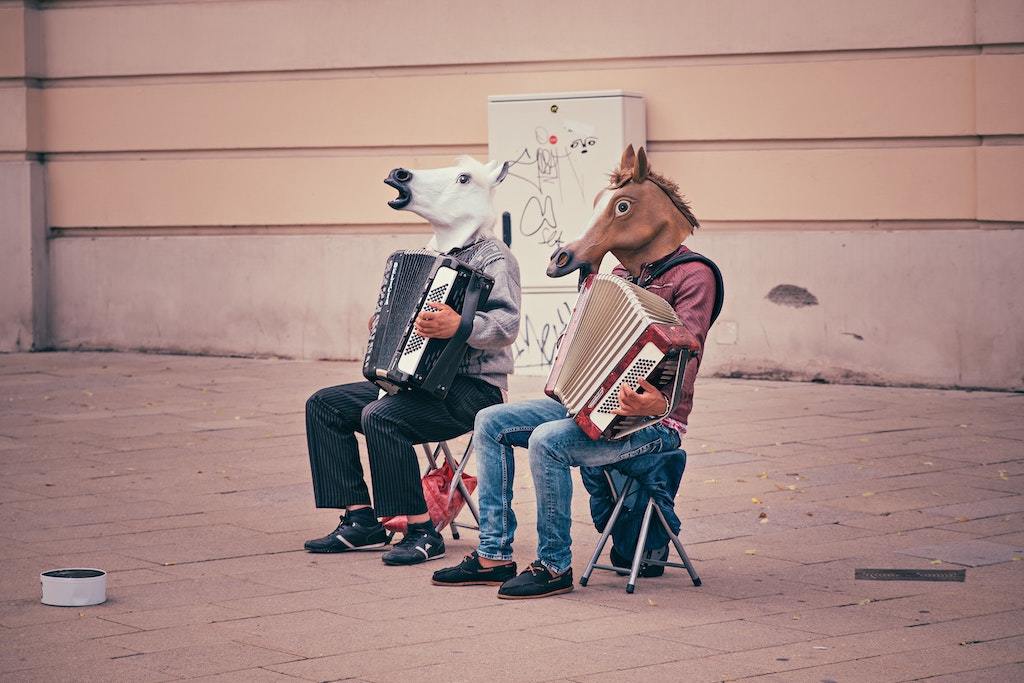
Meaning: Hokkien for “crazy”. This versatile word can be used to describe a person or simply an exclamation for a situation that seems out of this world – and not in a wondrous way.
Example: “Who busks with horse masks in this heat? Siao!”
18. Bo jio (boh-chyoh)

Meaning: An expression used to indicate that you’re not invited to something. Relatively close to the term FOMO (fear of missing out). It can also be used as a verb.
Example: “You guys are having dinner together? Bo jio.”
19. Sian (see-anne)

Meaning: A Hokkien expression for boring, tiring or bothersome.
Example: “Teacher wants us to memorise the periodic table today. Sian.”
20. Kiasu (kee-ah-soo)
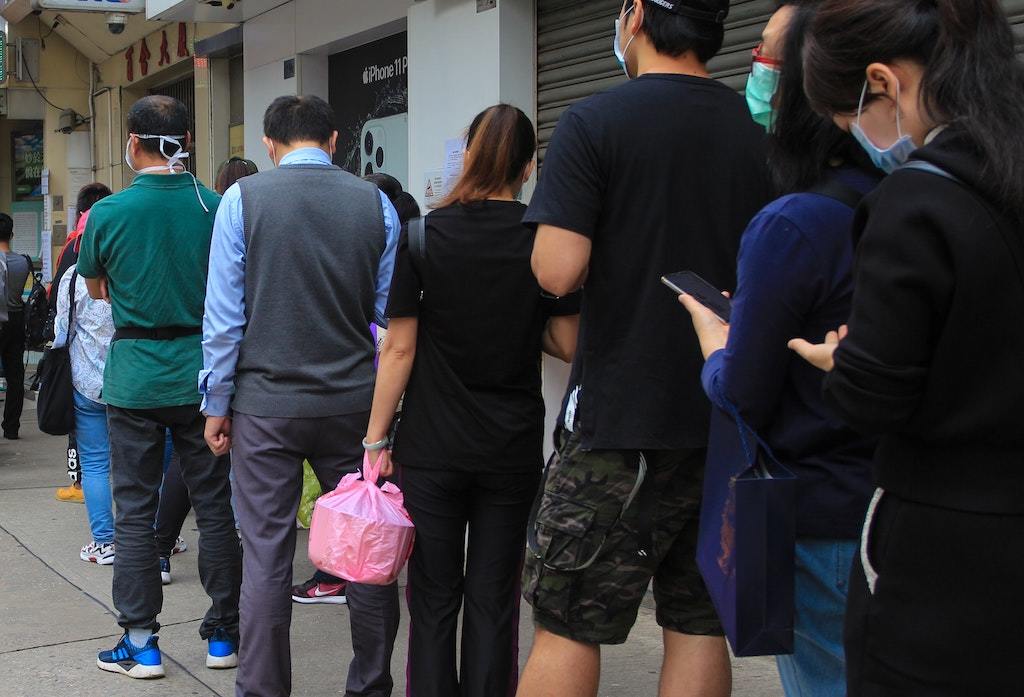
Meaning: A popular Hokkien term to mean “afraid of losing out”, describing someone as selfish and trying to get ahead of others in a negative manner.
Example: “Those kiasu aunties pushed through the crowd for the free goodies.”
21. Tabao (dah-bao)
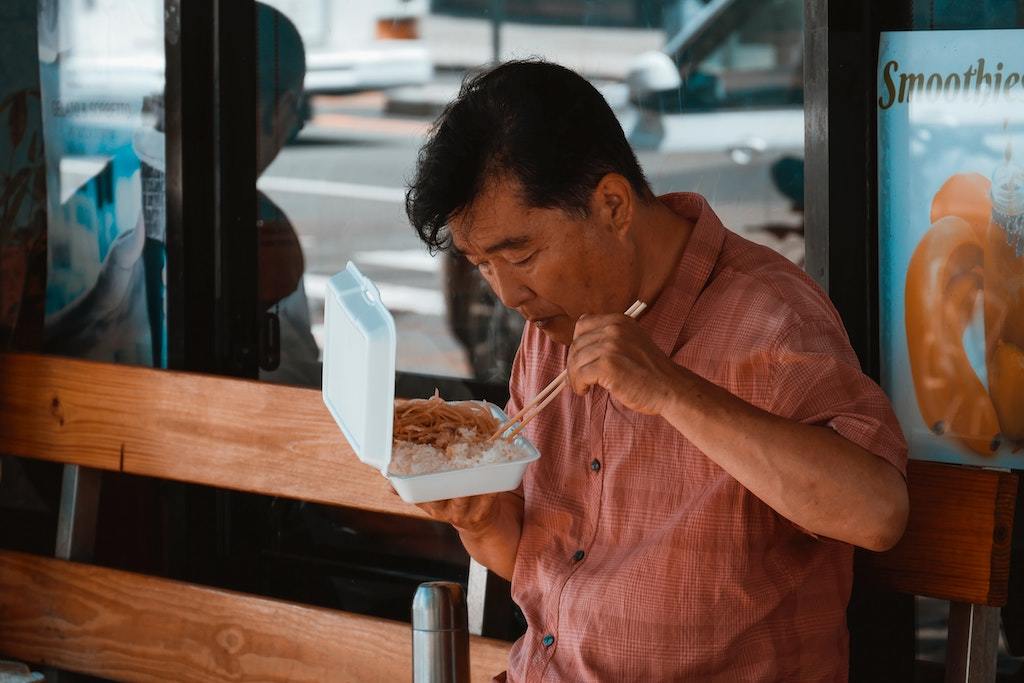
Meaning: Usually used at hawker centres to when placing an order to say “takeaway”.
Example: “Uncle, one chicken rice, tabao.”
22. Shiok (she-oak)
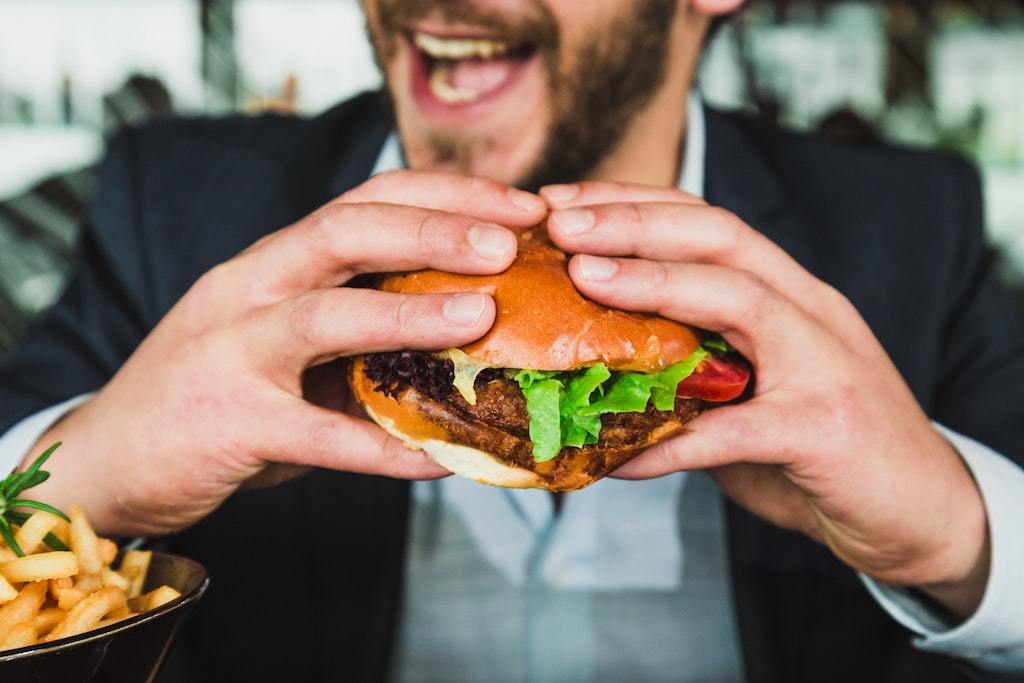
Meaning: To describe something delicious or simply good.
Example: “This burger is so juicy, so shiok!”
23. Chope
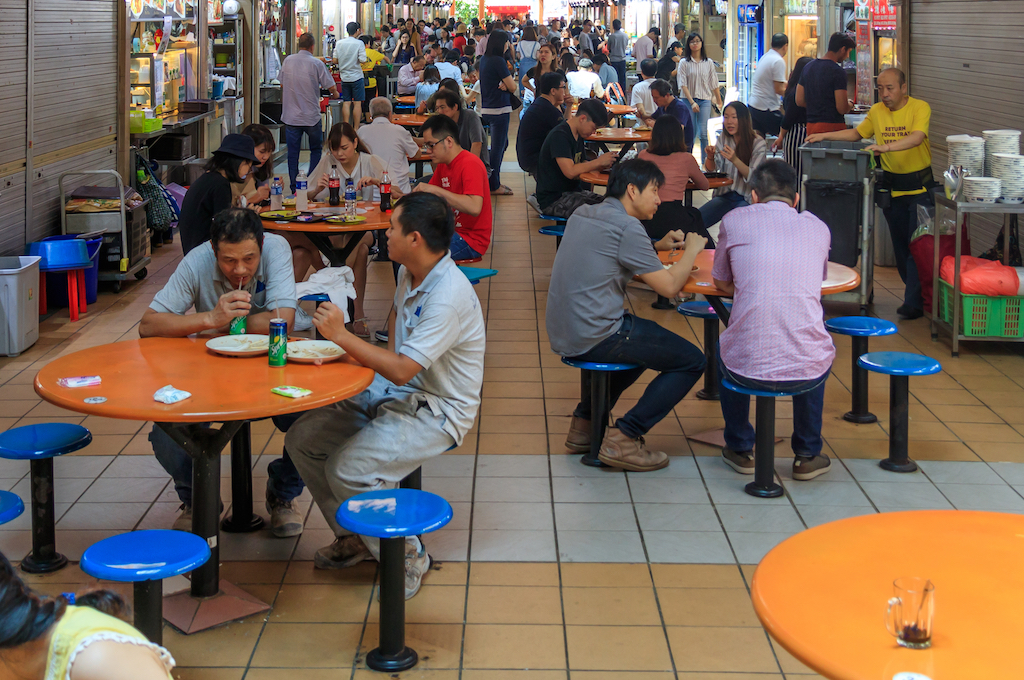
Meaning: To reserve something.
Example: “Let’s chope the table by leaving a pack of tissues there.”
24. Can

Meaning: Sure, this means “able to”, “permitted to” or to request something, but this can also be used variously with a Singlish modifier.
Example: “Can you do this for me?” “Can lah, no worries.” “Can meh?” “Sure can.”
25. Lah, Lor, Leh, Meh
Meaning: These are all discourse particles that are mentioned at the end of sentences. Each one serves different purposes, and it all depends on tone, syntax, and context.
Example: “Just do it like that lah” (Here, “lah” has a sense of exasperation, but can also be used as a finality.)
“I’ve got no choice, So I just did it lor.” (Here, “lor” is used to express acceptance or resignation.)
“I didn’t know you have to do it like that leh.” (Here, “leh” is used to show uncertainty, a little more doubtful compared to “lah”.)
“Really, meh? You have to do it like that?” (Here, “meh” is used with a rhetorical question to serve disbelief without actually being shocked or surprised.)
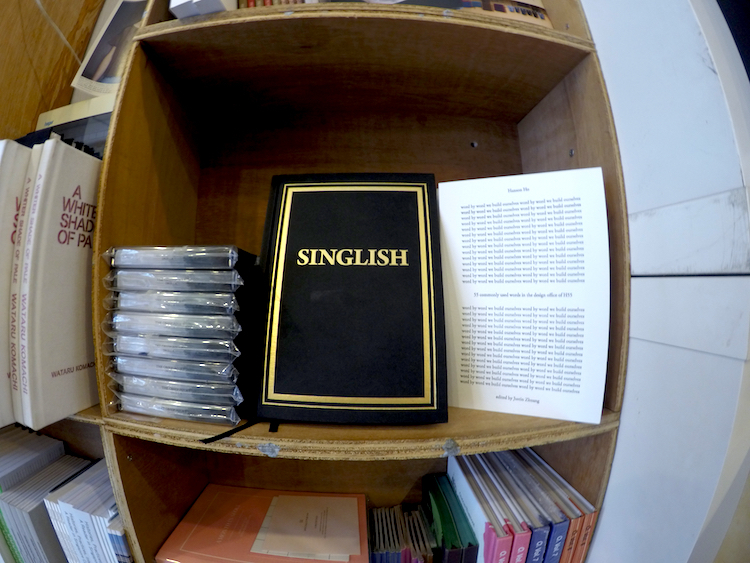
Congratulations! You’re now a pro at Singlish. Go forth and use your new knowledge by charming aunties at the kopitiam.
What makes a Singaporean?
15 signs you’re a real Singaporean
7 things Singaporeans do better than anyone else
9 things you’ve definitely said or done after living in Singapore for three months
15 dumb questions Singaporeans get asked all the time