
For every new restaurant opening in Singapore, three close down. The F&B business here is tough and many new joints looking to make it big in the Lion City fold within a year. Yet, there are a handful of restaurants that are a timeless part of the city’s culinary landscape. Here are the oldest remaining restaurants in the city.
RECOMMENDED: Feeling nostalgic? Visit some of Singapore’s hawker pioneers or the city’s oldest buildings
1. Ka Soh
Cantonese classics in the heart of the CBD
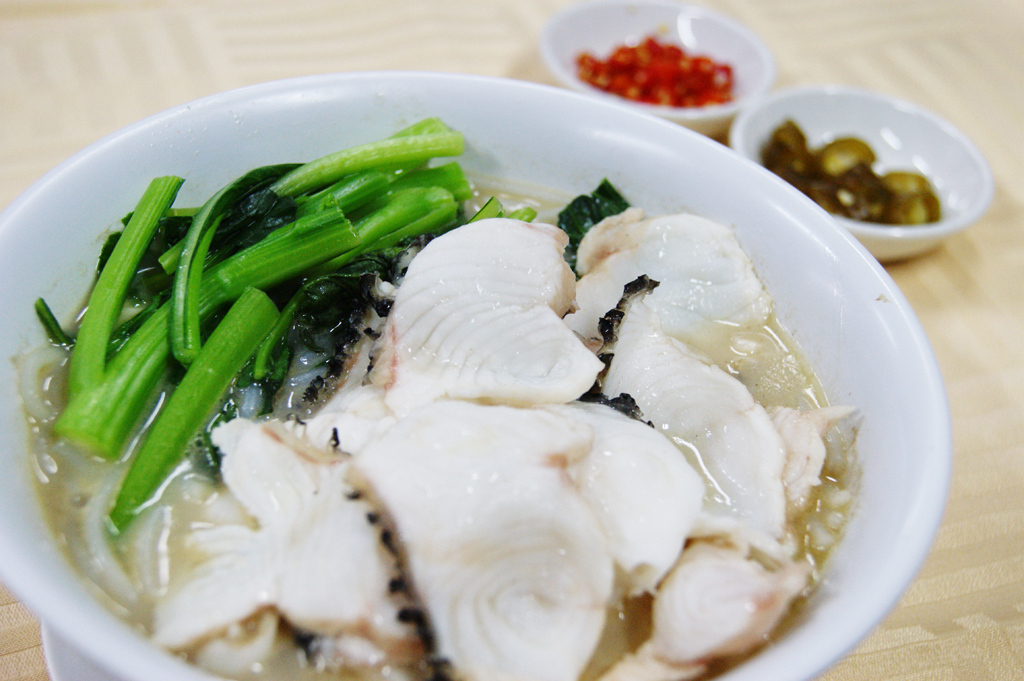
Everything about Ka Soh – Cantonese for mother-in-law – shrieks 1950s. But the daily crowds don’t come to this Chinatown eatery for the décor. Also known as Swee Kee Fish Head Noodle House, the bustling, motherly staff dish out stern love and terrifically homey Canto-classics in equal measure.
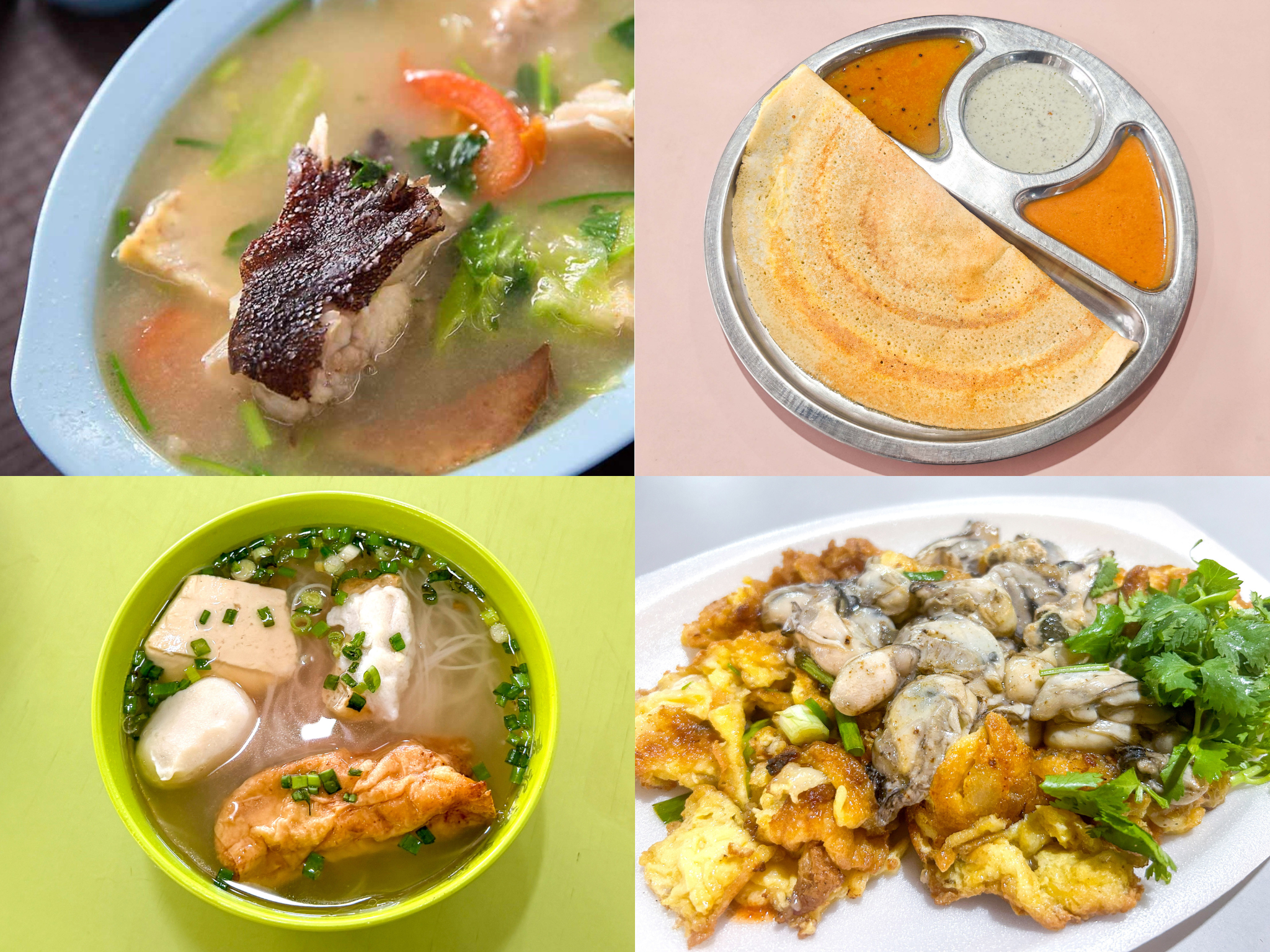
Bestsellers include deep-fried chicken marinated in prawn paste, deep-fried cubes of salted tofu and a milky, fish-head beehoon noodle soup.
2. Sabar Menanti
Serving authentic Padang food since 1969
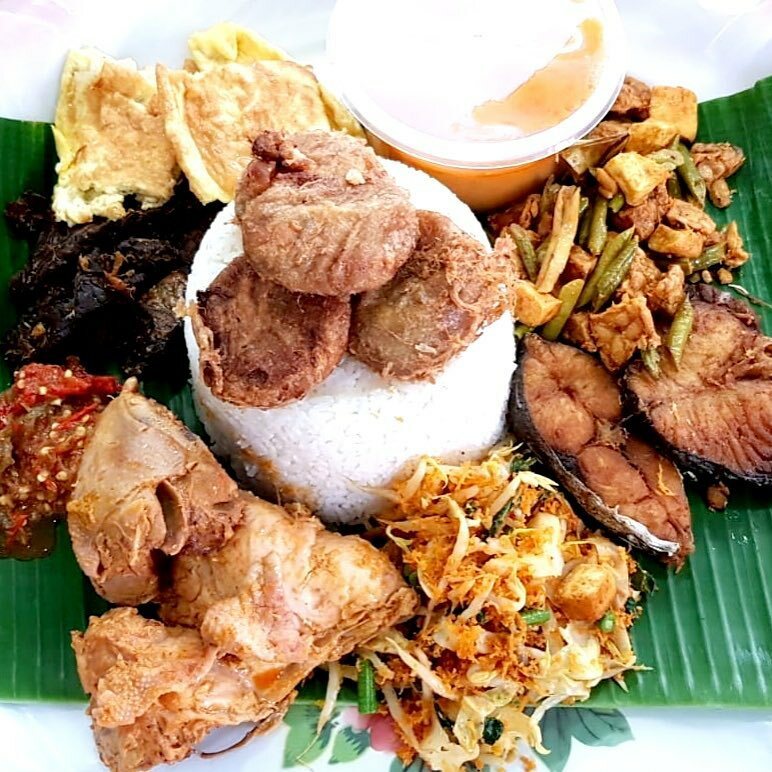
Meaning to wait patiently, Sabar Menanti proves that good things come to those who wait –or choose to queue under the hot sun. The nasi padang stall-turned-restaurant plays a partin Kampong Glam’s rich heritage, and its offshoot, Sabar Menanti II, over on North Bridge Road does an equally good job feeding the CBD hordes during lunch time.
Pick your favourite dishes – there’s everything from ikan bakar and sambal goreng to beef rendang and opor nangka – and tuck in for a satisfying lunch.
3. Muthu’s Curry
Fish head curry that has a star reputation
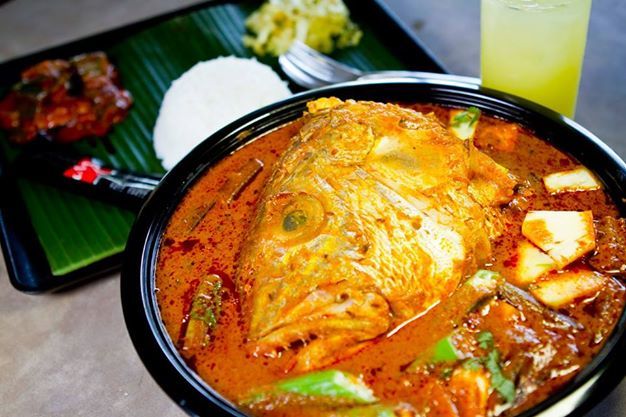
Talk about traditional Indian food in Singapore and Muthu’s Curry will inevitably make an appearance in the conversation. The stalwart has been around for a good 50 years and continues to impress with the fragrance of spices that hit you the moment you push through the front door.
The menu is small and food comes out fast – and furious. Try the creamy butter chicken ($13) and the crispy onion-flecked ladies finger ($9.50) for starters, but the star attraction is the fish head curry ($22.00/$27.00/$32.00) served in a rich tamarind-based gravy with juicy okra and pineapple chunks.
4. Guan Hoe Soon
Authentic Peranakan from the old days
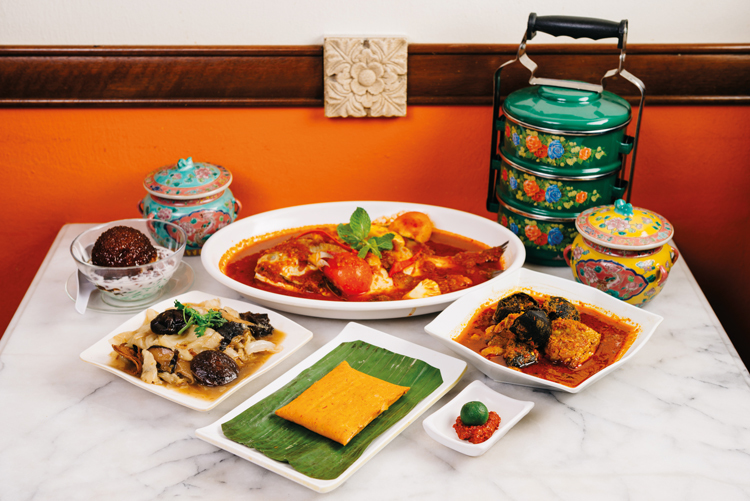
Guan Hoe Soon is one of the last few bastions of authentic dining in the historically Peranakan neighbourhood of Joo Chiat. Opened in 1953 by Yap Chee Kuee, the restaurant has always remained in the area, moving along Joo Chiat Road and finally settling on Joo Chiat Place. The shophouse dining room stocks a mini-museum of vintage tableware at the back including a dining set used at its original premises.
For some pre-meal snacking, a plate of too-fresh achar ($3) is curiously spiked with the livery notes of chicken gizzards. But as the weathered marble tables start to stack with dishes, the chunky otah-otah ($8) becomes a fast favourite, as does the must-share portion of tangy assam pedas pomfret ($38). And unlike the soya-rich chap chyes ($10) found elsewhere, Guan Hoe Soon’s tastes almost Sino, with strong tones of shitake and oyster sauce. But if you’re ever tempted to order the fried bakwan kepeting ($12) creation, don’t – Guan Hoe Soon’s forte is in its classics.
5. Ananda Bhavan
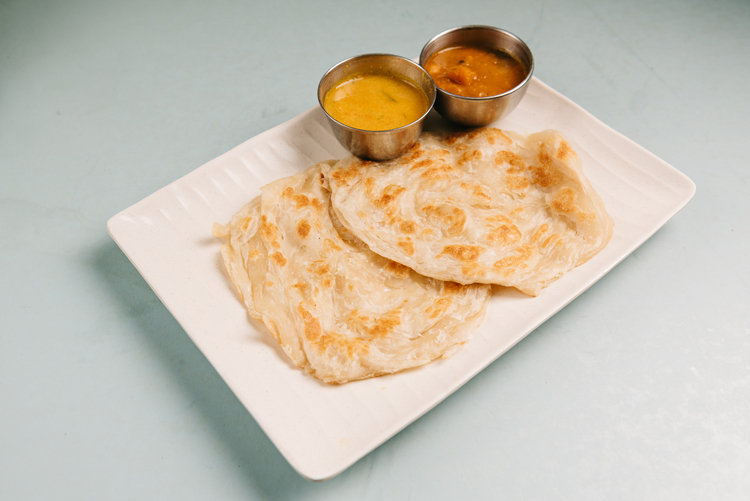
A toast to thosai
The history of one of the city’s oldest restaurants stretches back to 1924, when a Brahmin family opened up a joint along Selegie Road serving traditional Indian vegetarian dishes. That original branch is still dishing out all manner of flatbread and curries, but now it has four sister outlets, thanks to the late MK Ramachandra. The second-generation owner – and well-documented cat lover – is responsible for transforming his dad’s restaurant into the chain it is today.
On the food front, the prata ($4.50/ two) is a safe bet, but our pick goes to the onion rava masala thosai ($5): potato curry wrapped in a crispy shell of the fermented pancake that’s studded with onions.
6. Islamic Restaurant
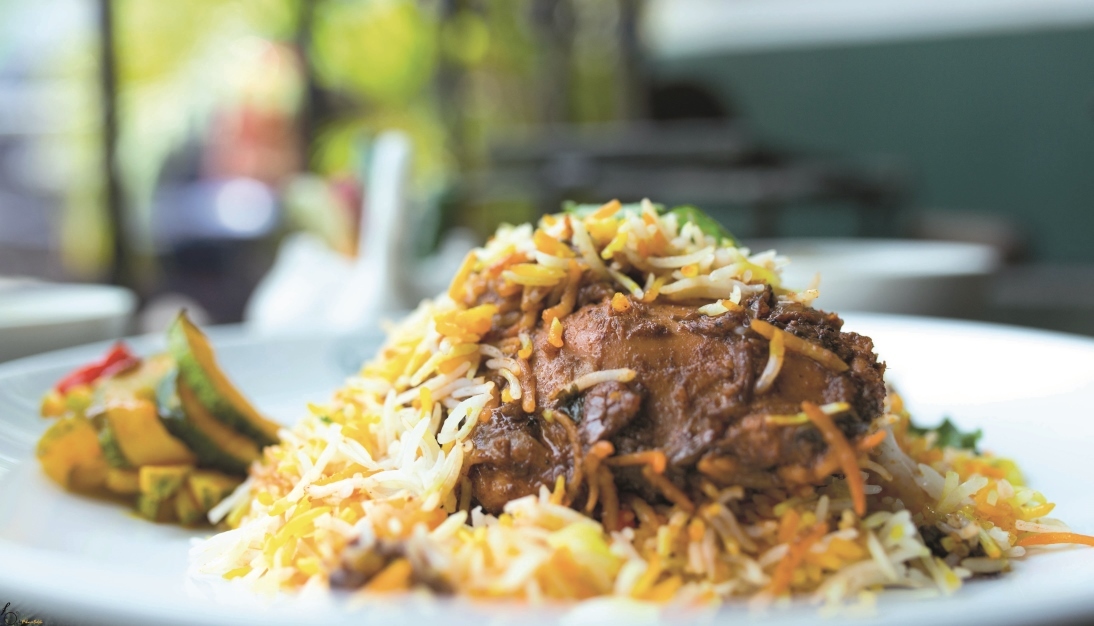
Briyani fit for royals
The decor of Islamic Restaurant is grander than you’d expect of a 95-year-old briyani shop. Then again, its regular patrons included the late presidents Yusoff Ishak and SR Nathan, and even the sultans of Brunei, Johor and Perak – literally providing meals fit for a king. Owner Abdul Rahiman was once the head chef for the wealthy Alsagoff family and his briyani was especially well-loved.
Today, Islamic Restaurant is run by Rahiman’s grandson, who still keeps the briyani recipe a secret. While there are six versions of the dish, including chicken, prawn and vegetable ($10-13), the mutton briyani ($10) – with generous chunks of fork-tender meat buried under a mountain of fragrant basmati rice – is the indisputable star. The chicken tikka masala ($8) is just as sublime: the aromatic curry is thick enough to scoop onto warm garlic naan ($2.20), without compromising its crispy texture and you’ll be dreaming of it long after you’ve finished the meal. Thankfully, Islamic Restaurant does home delivery, too.
Read More
7. Thien Kee
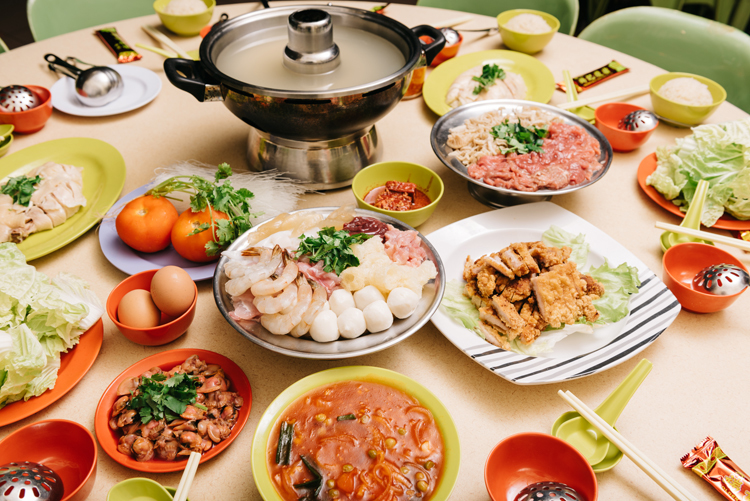
The last Hainanese steamboat
Amid a sea of mookata stalls in Golden Mile Tower you’ll find Thien Kee, one of the few remaining Hainanese steamboat restaurants. It opened in 1952 along Middle Road, but was forced to move to its current location just before Bugis Junction was erected in 1994. Now run by second-generation owner Benjamin Boh, Thien Kee is perennially packed during dinner, so turn up early to avoid the queue. Don’t expect a five-star dining experience or a languid meal here, either – the auntie servers, who have worked here for decades, are as curt as they are efficient.
You’ll see a bubbling hot pot on every one of Thien Kee’s 90 tables. You can order the ingredients for your steamboat à la carte or in sets ($34-$100). The soup is admittedly bland when it arrives, but add the raw ingredients served alongside – they include omasum (aka part of a cow’s stomach) and cockles – and that changes. Don’t forget Thien Kee’s other Hainanese dishes like chicken rice ($18-$36) and deep fried pork chops ($12-$16), giving even the fussiest of kids something to gnaw on.
8. Spring Court
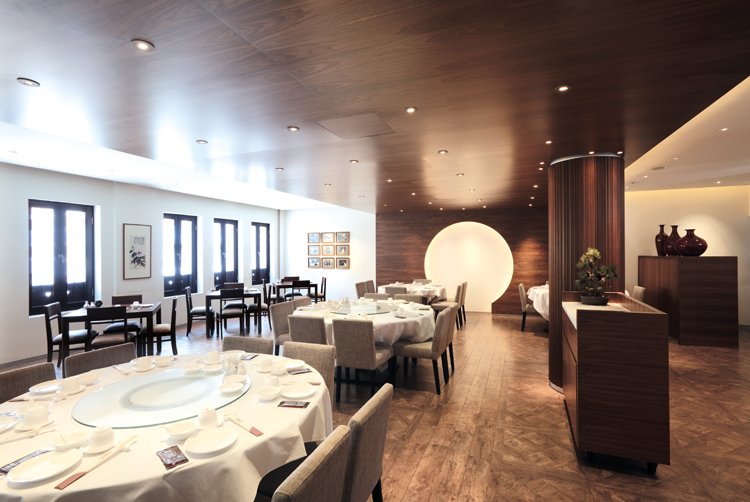
The longest-running family restaurant
Third-generation owner Mike Ho runs this Chinese restuarant today, which has endured the passing of its original home in Great World Amusement Park and several subsequent relocations. Since 2005, Spring Court can be found along Upper Cross Street, in a four-storey shophouse that seats 650. There are even VIP rooms equipped with karaoke machines so you can belt out ‘Total Eclipse of the Heart’ while tucking into the Singaporean-Chinese dishes.
It hasn’t changed much – the chefs still use the recipes that have been passed down through generations. Signature dishes include the Spring Court popiah ($7.50), a snack Ho’s mother Soon Puay Keow used to roll for employees to munch on between shifts. We’re told they had loved it so much they convinced her to include it in the menu – and it’s been a best-seller ever since. Try the hor fun with prawn ($22), too: it’s lighter than the typical noodle dish, with soupier gravy.
9. Zam Zam
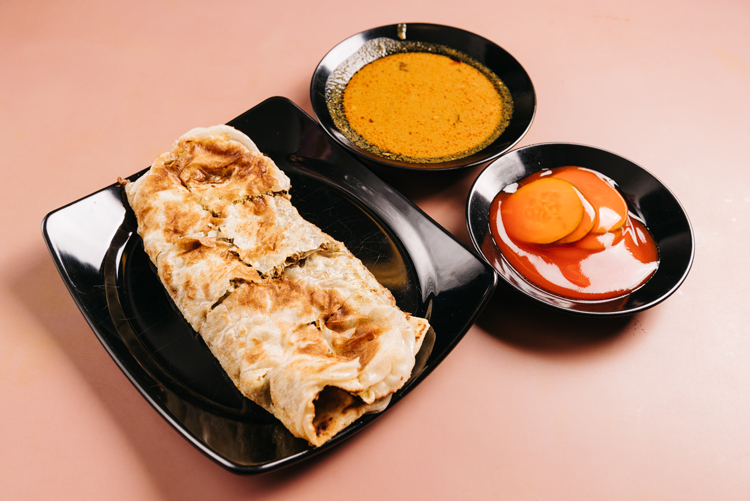
OG murtabak
There’s no preventing the pong of oil and fried dough clinging to your clothes the moment you step into this grungy shophouse unit. But it’s well worth the smell. Zam Zam has been serving up its briyani (from $6) and murtabak (from $5) for well over a century, so you can be pretty much assured of getting the legit stuff.
Zam Zam – its name refers to ‘holy water’ in Arabic – has been an institution in the Kampong Glam neighbourhood since the Kerala-born Abdul Kadir opened the restaurant there in 1908. The recipes have largely remained unchanged, and unhealthy, too. (You just can’t replace ghee, can you?)
So forget your diet and go for the mutton murtabak with a side of fish curry. It’s crispy on the edges and has more folds than an origami crane, within which you’ll find layers of onions, eggs and meat. If it’s briyani you’re after, Zam Zam makes its version Hyderabadi dum style: the meat is cooked together with the orange-flecked basmati, which makes the rice that much more fragrant.
10. Tiffin Room
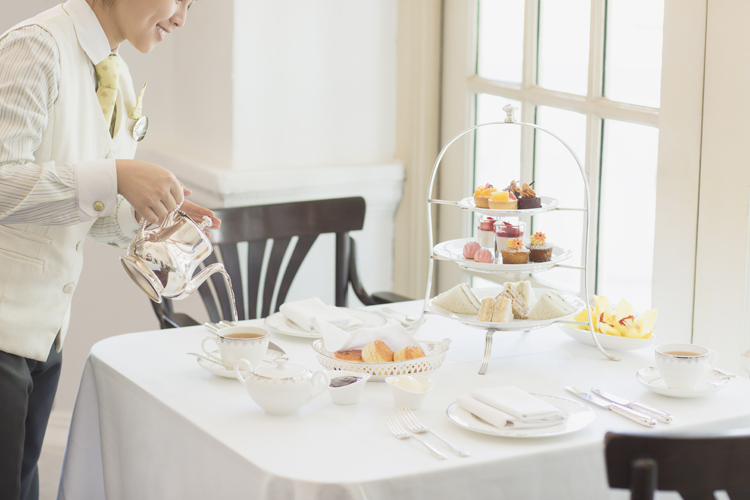
High tea from the colonial era
Revisit Singapore’s colonial past at the historic Tiffin Room, which has been a part of Raffles Hotel since its opening in 1887. Designed to transport you back to the turn of the 20th century, the interiors are lined with teak tables and bentwood chairs similar to those seen in faded photographs of the hotel. Grab a seat by the French windows and relish in a meal that’s timeless and elegant.
Even way back when, Tiffin Room was known for its buffets. It’s famed today for its curry buffet (lunch and dinner), but, perhaps thanks to the colonial vibes, we prefer the high tea ($62/adult, $30/child). Available every day from 3 to 5pm, the tea is traditionally British: finger sandwiches, tiny pastries, scones with clotted cream and homemade jams, all presented on a silver three-tiered platter. And repping Asian cuisine on the spread is a small selection of dim sum.
11. Warong Nasi Pariaman
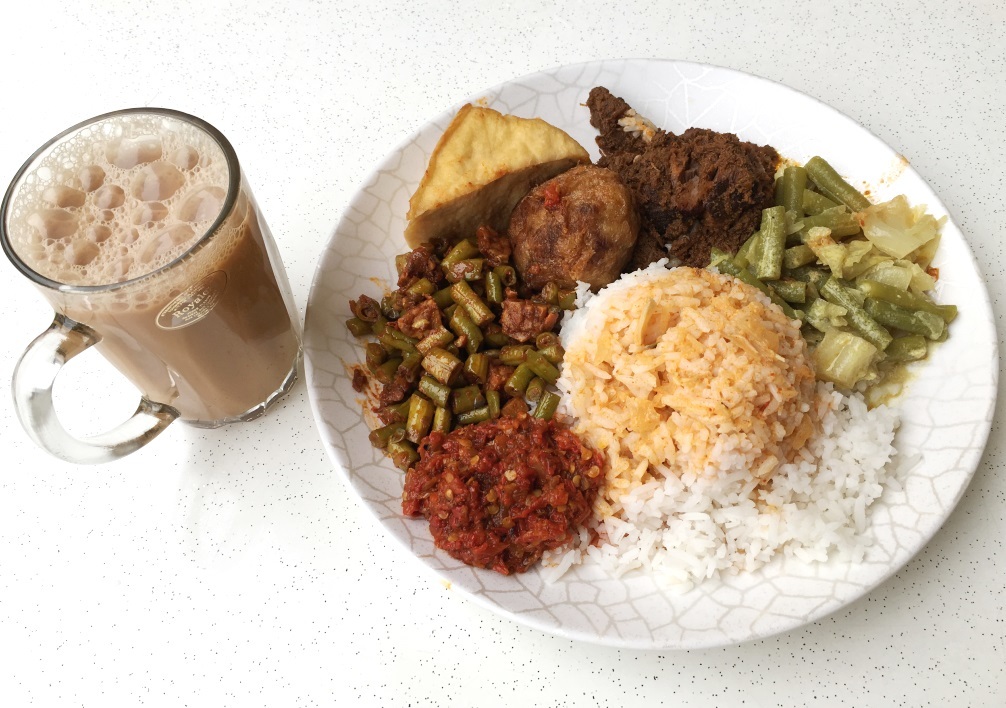
The oldest nasi padang in town
Opened by Haji Isrin at the corner of Kandahar Street in 1948 – where it remains today – and now run by third-generation owners, the stall continues to churn out homely platters of authentic Malay dishes to a throng of people, including celebrities like former sports personality Fandi Ahmad and musical artist Dato Ramli Sarip.
‘Generous’ is Nasi Pariaman’s middle name. Plates are packed with rice covered in gravy of your choice – there’s chicken curry and lodeh – and an assortment of side dishes such as sambal goreng, bagedil, ikan bilis, tofu and long beans. But the star here is the beef rendang ($3.50), a tender hunk of meat that’s drenched in spices, chilli and gravy. Pair this dish with a steaming cup of teh tarik ($1.30) to complete your meal.
12. Colbar Cafe
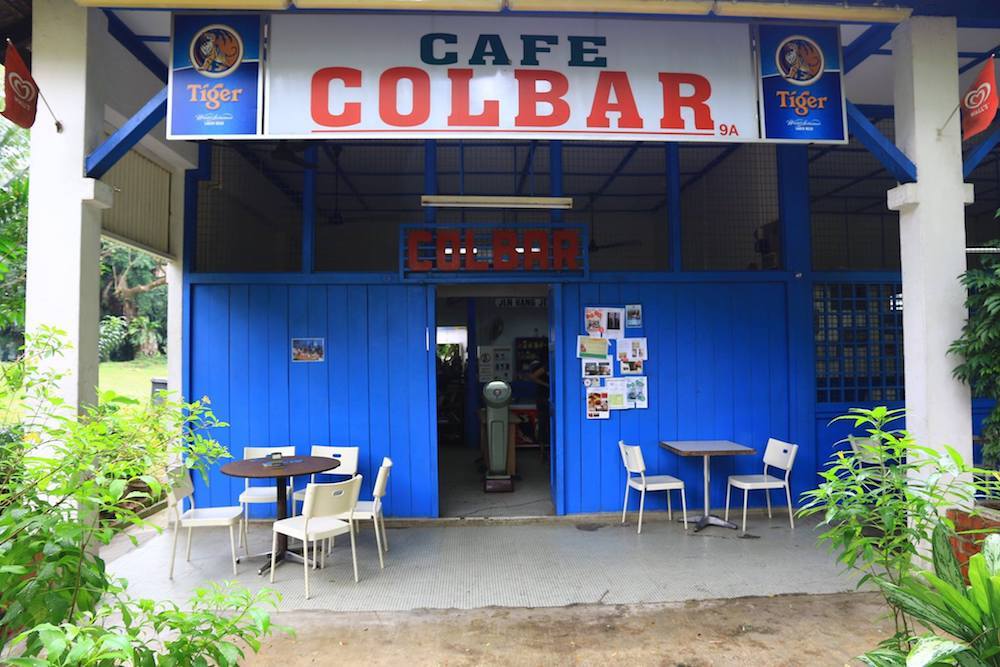
Who serves up prawn cocktails these days, let alone T-bone steak, chips and peas? Well, Colbar does, and loyal fans love them for it. The place, looking for all the world like a glorified tin shed, is locked in a time warp (circa 1956), and that’s just fine with us. The cooking isn’t great – on a recent visit, the poached eggs ($5.50) were the texture of cotton wool, and the sausages ($9) a touch mealy, accompanied by wooden chips – but it’s all cheap and good, and just what the doctor ordered after a hard night’s partying. At our breakfast, the next table cracked open a bottle of beer to go with their omelette – it’s that kind of place. Word to the wise: there’s no air-conditioning, just lazy ceiling fans, so be prepared to shvitz a little when it’s warm outside.
If you like old stuff…
Seven pioneer hawkers who’ve been around since your parents’ time
Five old dating spots our parents used to go to
Old-school childhood snacks we love in Singapore
Hawker spotlight: Old School Canteen