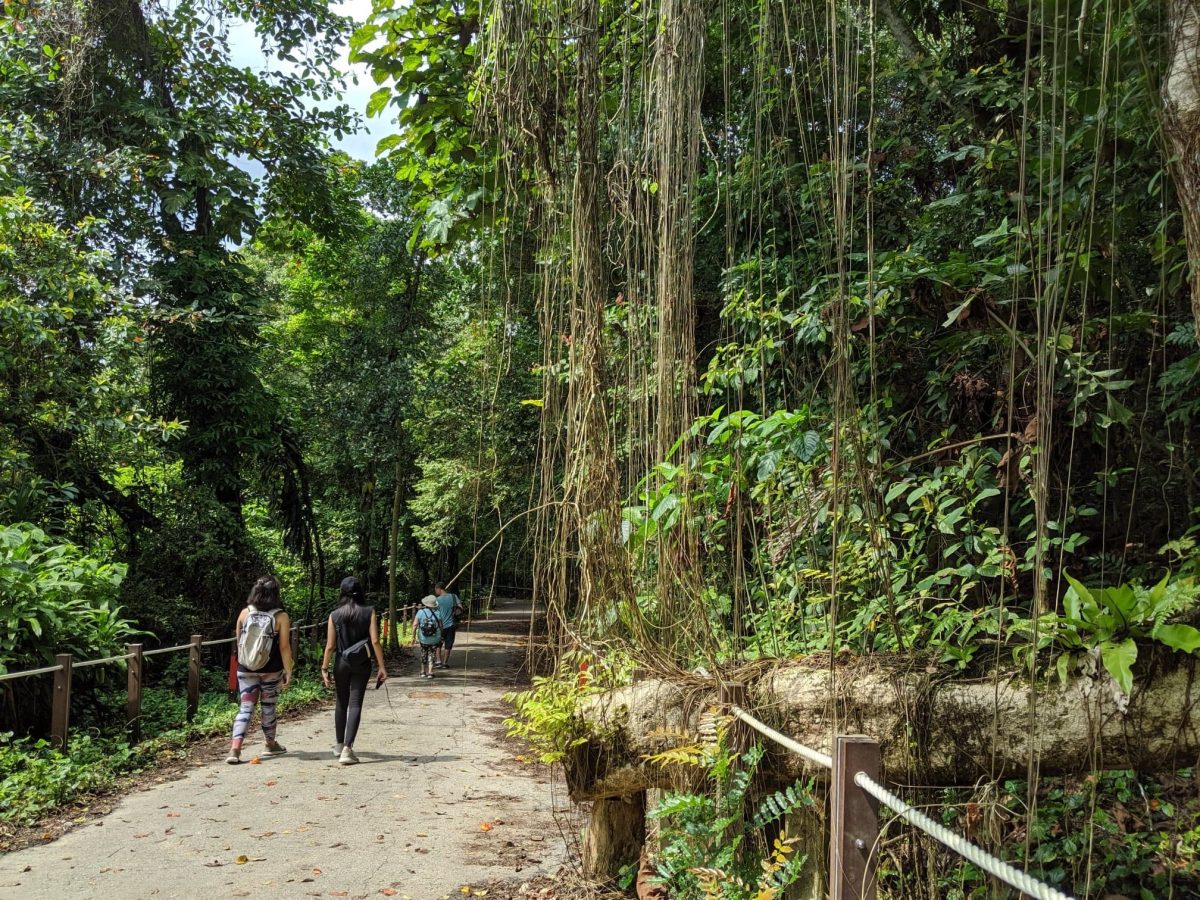

When it comes to aesthetics, Singapore scores top marks all around. The million-dollar skyline, the mix of heritage buildings and modern architecture – these are the stuff tour agencies and tourism pamphlets sell all the time. But dig a little deeper and you’ll find pockets of natural landmarks and lush reserves as well. We check out some of the spectacular natural landmarks that we ought to celebrate more.
RECOMMENDED: Where to see interesting architecture and landmarks in Singapore and the best secret and hidden parks in Singapore
1. Coney Island
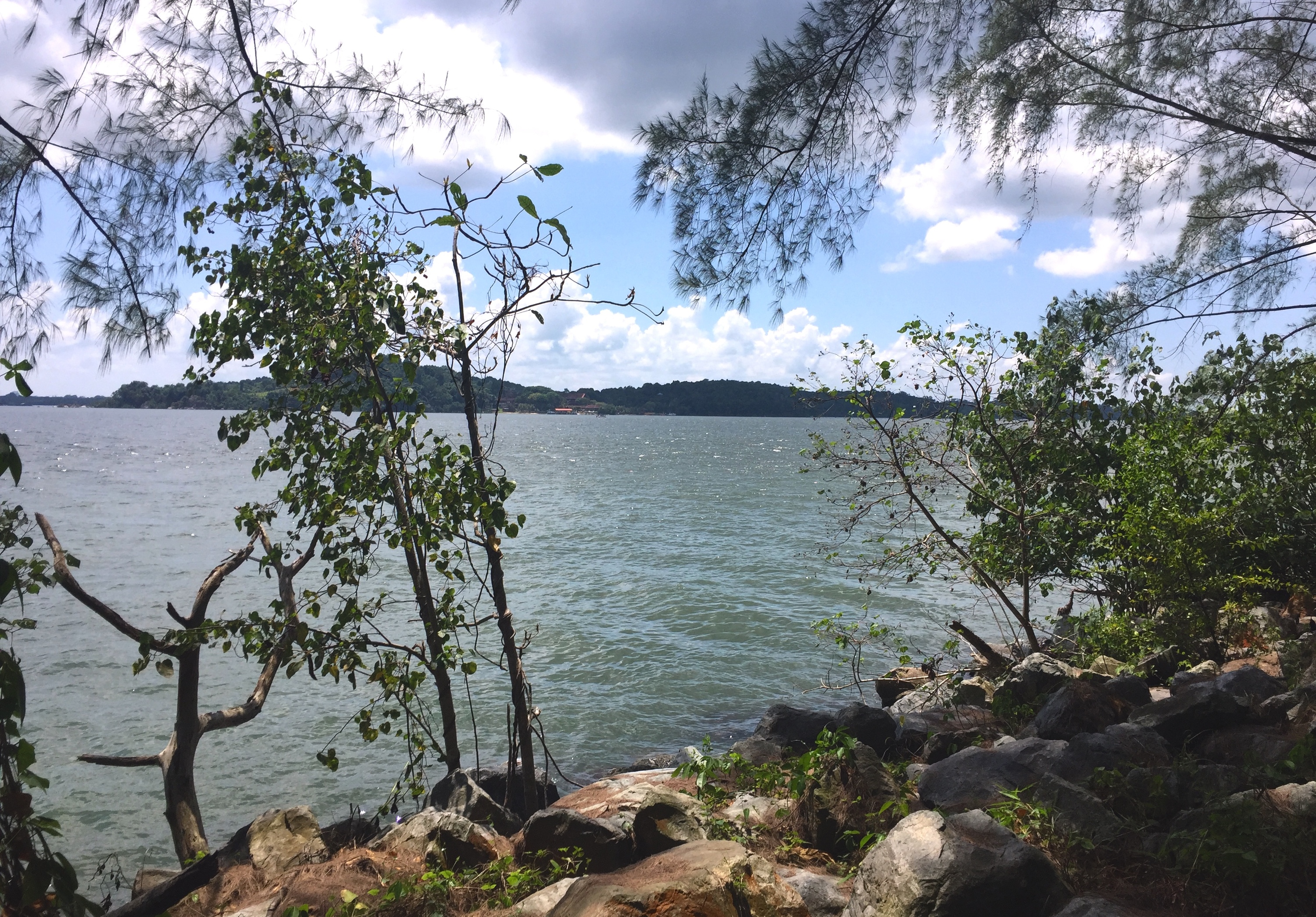
Located in the far end of the North East, Coney Island is a rustic escape that preserves the island’s natural character. This ecologically sustainable park also uses timber from fallen trees for all the signage in the park, benches and the boardwalk over the mangrove swamp. Keep your eyes open for native macaques, rare birds and butterflies on the island while you explore the woods and the hidden beaches. Look out for snakes if you’re venturing into the woods!
2. Tampines Eco Green
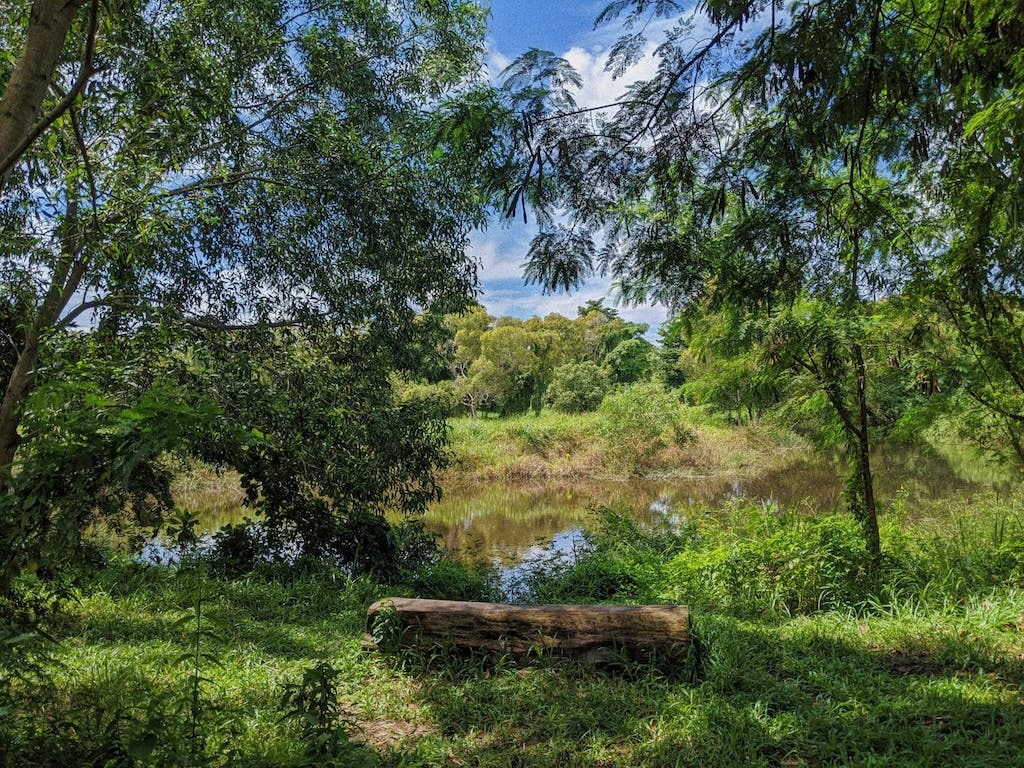
Continue along the Pasir Ris park connector towards Tampines and you’ll come across sprawling greenery formed by open grasslands, freshwater wetlands and secondary rainforest. You’d never guess that this green space exists, wrapping around one of the most populous neighbourhoods in Singapore. Wade through the greens as you take on the walking trail within the sanctuary to uncover its rich biodiversity, featuring many species of birds, butterflies, dragonflies and spiders. Sit on one of the rustic wooden benches while you admire the marshes and listen to the unique sounds of wild birds – and the expressway. Only in Singapore, eh? No cycling is allowed in the park, though, but you can either push your bike along the trail or leave them at the designated parking spots nearby. There is also no public parking at the park so if you’re driving, you have to park the car at the nearby HDB estate and make your way by foot. The park is mostly left untouched so you might need to put on some proper trekking shoes to conquer the – sometimes – muddy trails and bring along some insect repellent for pesky mozzies.
3. Thomson Nature Park
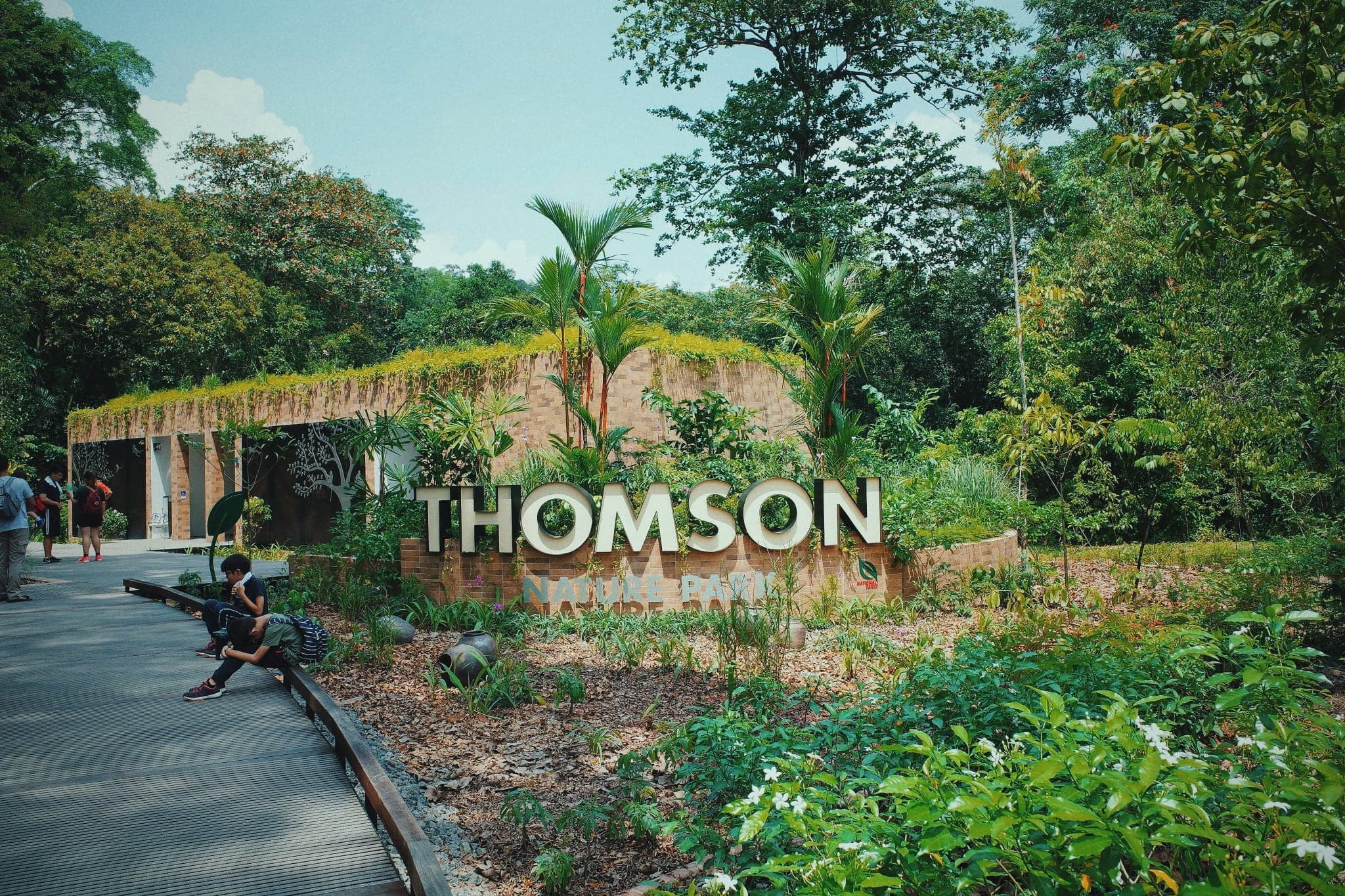
The seventh nature park on the island joins in other existing parks such as Chesnut, Springleaf and Windsor to act as a green ‘buffer’ – to reduce visitorship pressure – for the Central Catchment Nature Reserve. There are five trails to choose from in the park that span over 3.8km. Each trail takes you on a sightseeing tour to see ferns, ruins, macaques, streams and the Raffles’ banded langur – a highly elusive and endangered monkey. Other wildlife residing in this reserve also includes the Sunda pangolin and the Malayan porcupine but you have to be extremely lucky to spot them in the wild. The nature park also houses a former Hainan village in Singapore and visitors can get a glimpse of this from the ruins and rubble that has been left behind from its heydays in the 60s. See the remnants of a rambutan plantation, a farm and several old village houses (one of them used to belong to the family behind popular Singapore eatery, Han’s). Old street signs have also been left untouched so you’re literally walking through an old kampung in 1960s Singapore.
4. Kranji Marshes
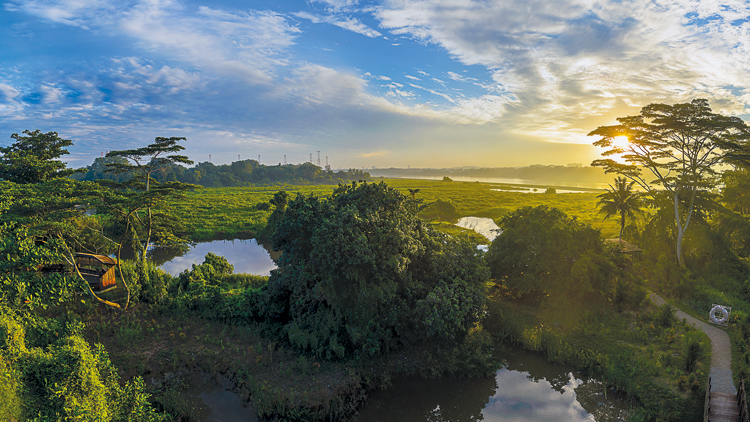
Home to many species of birds, butterflies and dragonflies, this nature reserve is the perfect recreation area to observe and enjoy the island’s wildlife. At 57 hectares and with a range of natural and green habitats, Kranji Marshes is Singapore’s largest freshwater farmland. For a more comprehensive tour of the lands, make sure you sign up for a guided tour of the West Marsh within the Core Conservation Area. The area is usually closed to the public to minimise disturbances to wildlife but the NParks volunteers – the ‘Kranji Marshals’ – conduct station-guiding walks to show you around the natural beauty of the marshes.
5. Bukit Timah Nature Reserve
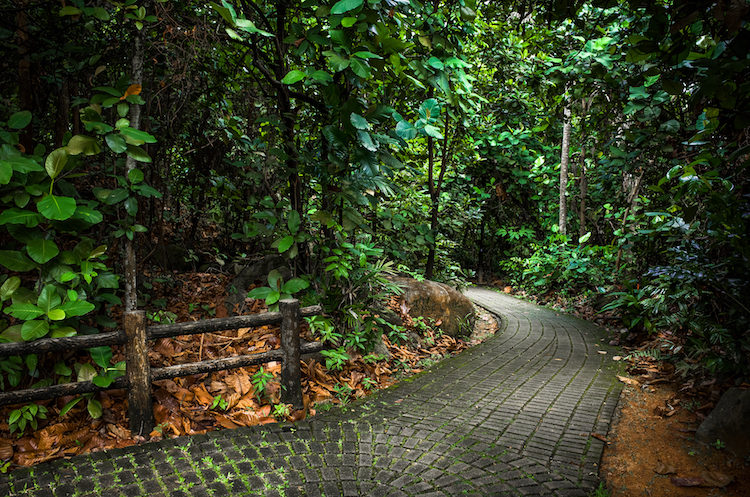
This 1.64sq km (0.63sq mile) nature reserve is renowned for having one of the richest and most diverse ecosystems in the world. Besides hundreds of animal and insect species, it also contains more tree species than the whole of North America. Weekends are busy with walkers, nature lovers and mountain bikers, so come on a weekday if you prefer a quiet trek. There are four walking trails. A steep paved path takes you directly to the peak, but more interesting are the unpaved trails; route 3 (green) follows a winding forest path, past caves used by Japanese soldiers in World War II. Look out for long-tailed macaques, squirrels and snakes, and listen for the incessant ‘chonk-chonk’ of the striped tit-babbler. Cyclists should wear protective gear as the biking trail is extremely rugged.
6. Hindhede Quarry
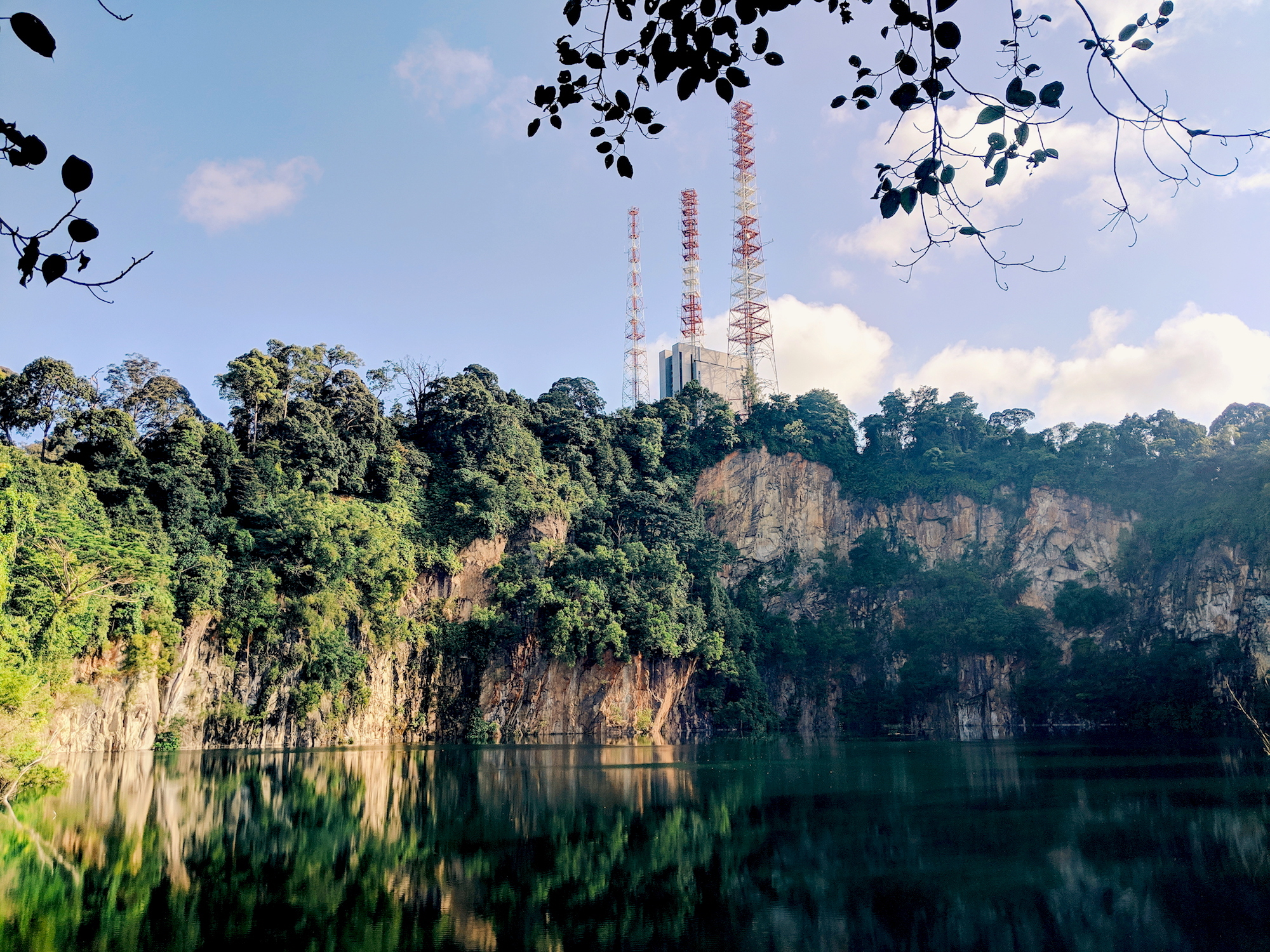
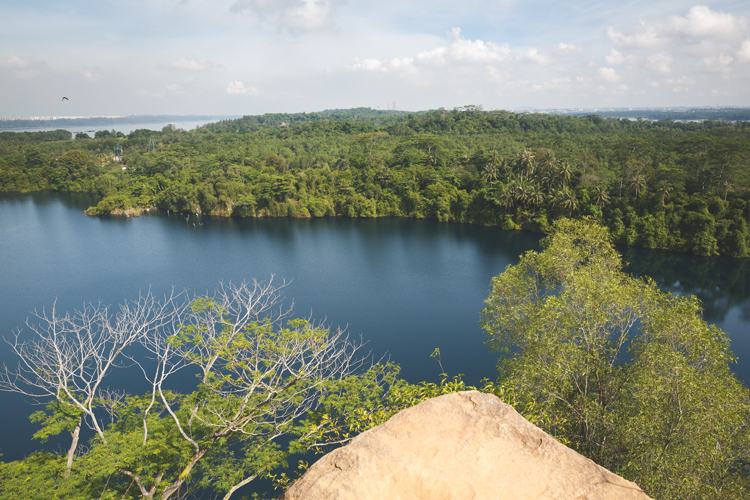
Located next to Bukit Timah Nature Reserve, the Hindhede Quarry is majestic, though you can only admire it from an observation deck. Besides the view, it is also an excellent spot for wildlife watching as it is home to inhabitants like the banded woodpecker, clouded monitor lizard and the plantain squirrel so it pays to keep your eyes open when taking a walk.
7. Sungei Buloh Wetland Reserve
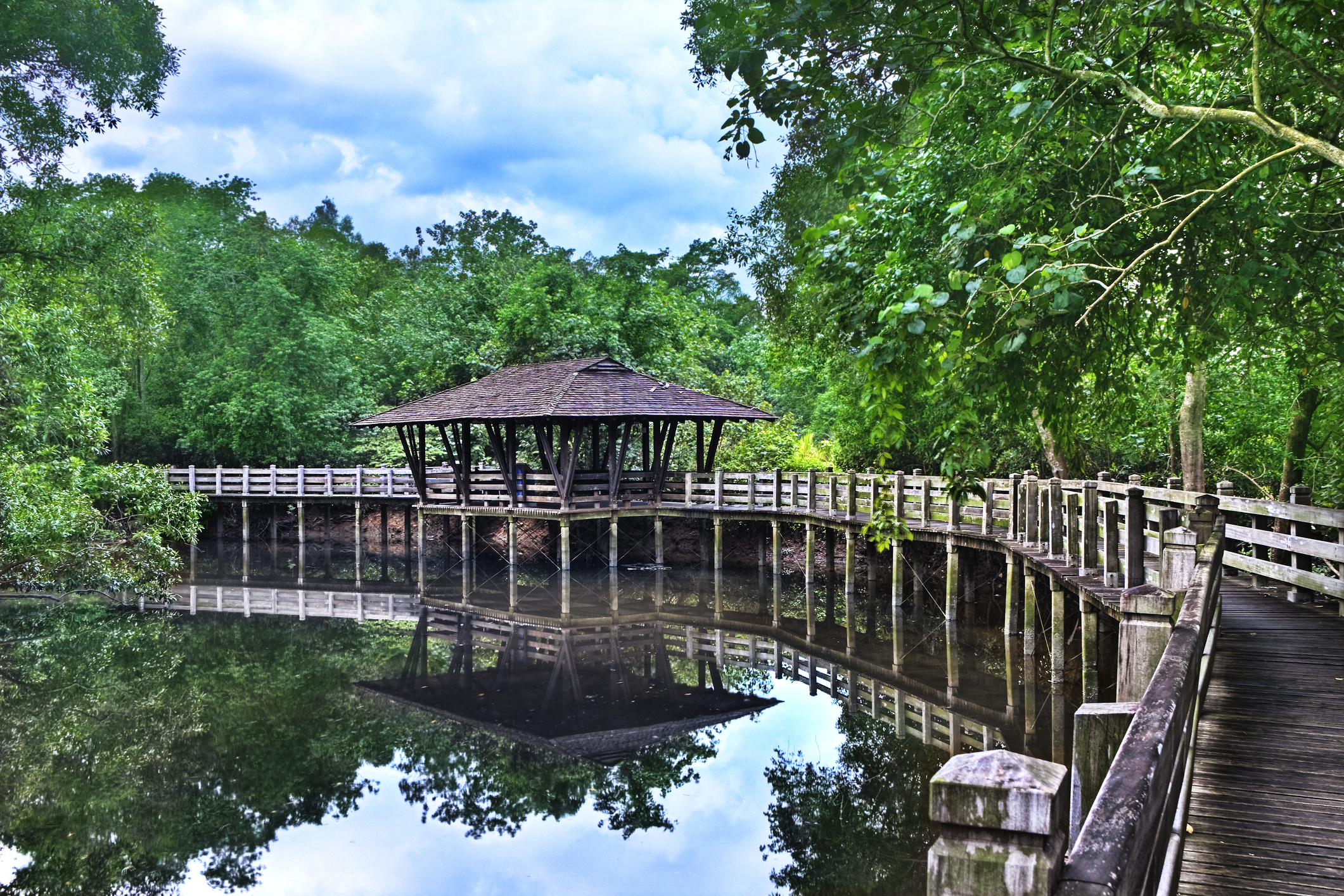
Strap on your best walking shoes and trudge through the swamps of Sungei Buloh Wetland Reserve to learn more about the flora and fauna that call this mangrove forest home. Weekly, volunteer-led tours – they regularly change – introduce the plants, birds, insects and other indigenous species found in this ASEAN Heritage Park (Singapore has two, the other being Bukit Timah Nature Reserve). This wetland reserve of mangrove swamps, ponds and secondary forest is also home to 140 species of birds. Take a spot at observation hides or rent binoculars to bird-watch. There are also nature trails where you can also spot mudskippers, monkeys and climbing crabs on the mangrove boardwalks – or even estuarine crocs swimming in the waters.
8. Lazarus Island
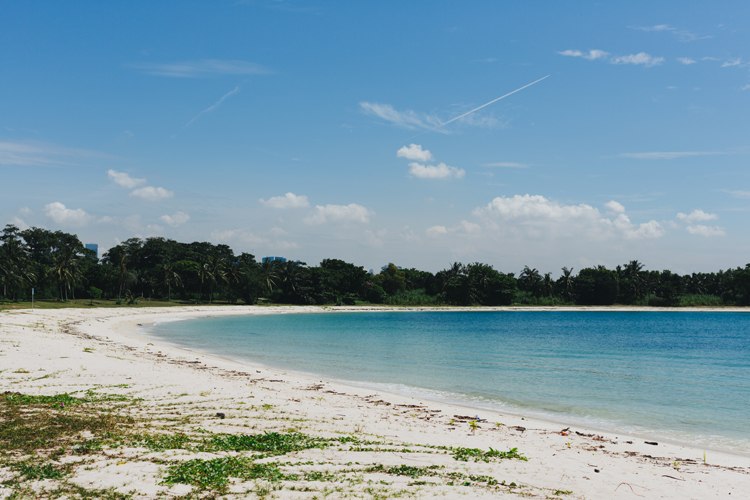
Far away from the thronging East Coast Park and manicured Sentosa beaches lies a swathe of white sand ringing clear, turquoise waters. No, we’re not talking about Boracay but Lazarus Island. One of Singapore’s best-kept secrets is its serene, undeveloped beach that you can (almost) call your own – just take the first ferry out at 9am on weekends and 10am on weekdays to claim the sands for yourself. Pro tip: for Insta-worthy shots, trek further inland to the reclaimed Pulau Seringat, north of Lazarus. You’ll come across a jetty – continue past it until you spot a pavilion. From that vantage point, you’ll be able to snap a panorama of the Singapore mainland.
9. Pulau Ubin
Take a walk on the wild side as you step foot on one of Singapore’s last surviving kampongs. At a sprawling 1,020 hectares, Ubin boasts lush greenery and abundant wildlife, drawing nature lovers and outdoor enthusiasts to explore the many wonders of the granite island. Whip out your binoculars to spot birds at Pekan Quarry, wander through nature trails, and hike 75 metres up Puaka Hill for a breathtaking panoramic view of the islet. Whisk yourself to the south-eastern end of Ubin for the islet’s main attraction: Chek Jawa. The wetlands and its rich ecosystem are best seen during low tide – stroll down the kilometre-long boardwalk and keep your eyes peeled for colourful sea critters such as the peacock anemone and biscuit sea star. If you’d like to add some adrenaline rush to the trip, sign up for the island’s kayak tours and paddle through the mangroves. You might just be able to have a close encounter with jellyfish, kingfishers and (if you’re lucky) otters.
10. Sisters’ Island Marine Park
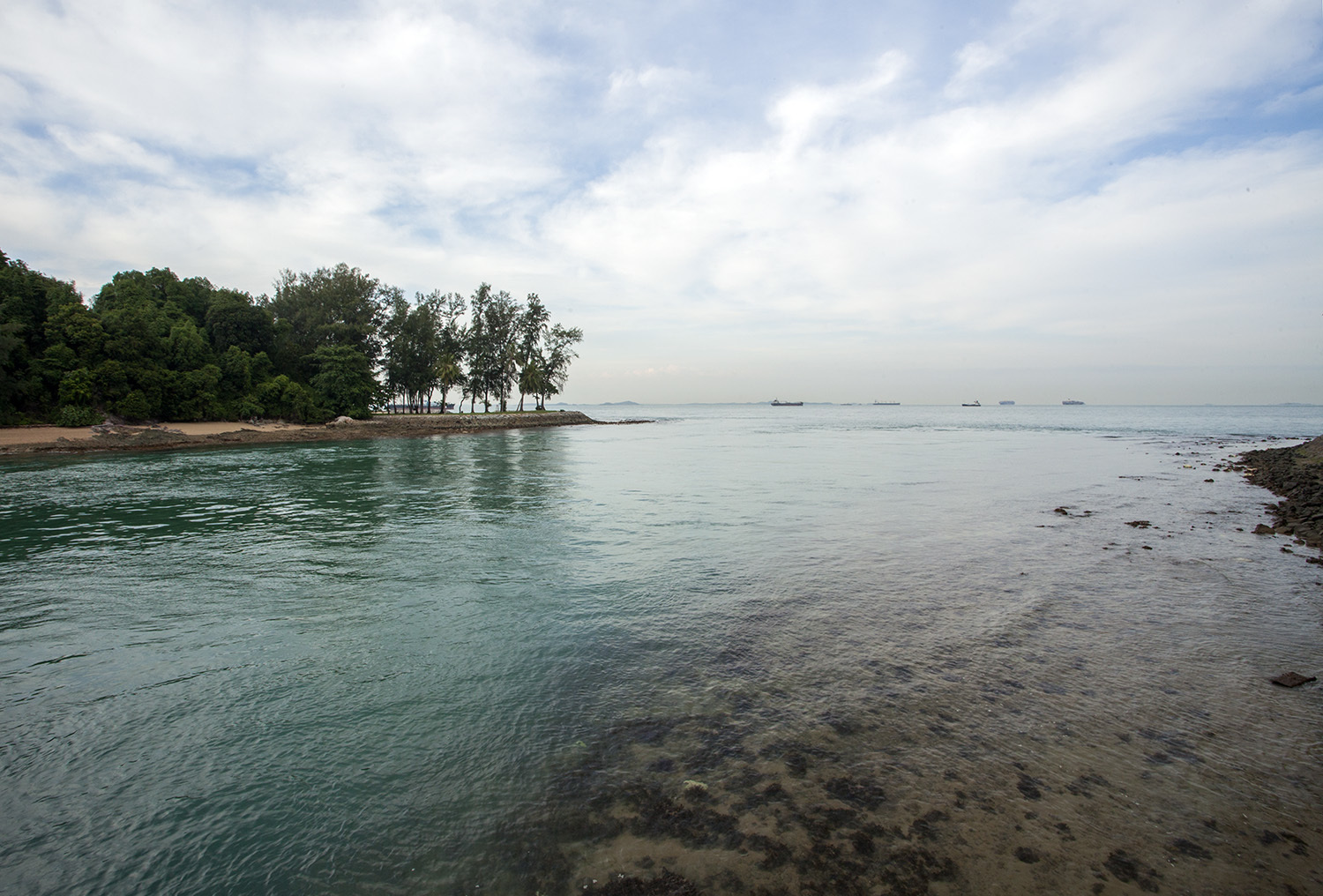
The Sisters’ Island Marine Park is the first of its kind here, with 40 hectares of maritime flora and fauna – and over 250 species of hard corals – that prove the biodiversity found in Singapore is, honestly, pretty staggering. The best way to take in the sights is to hop on the guided tours, organised by the National Parks Board. Register early, too, as only a limited number of nature lovers are allowed on each walk.
Want to see more of Singapore?
The best hiking trails in Singapore
The best places to stargaze in Singapore
Where to see interesting architecture and landmarks in Singapore